
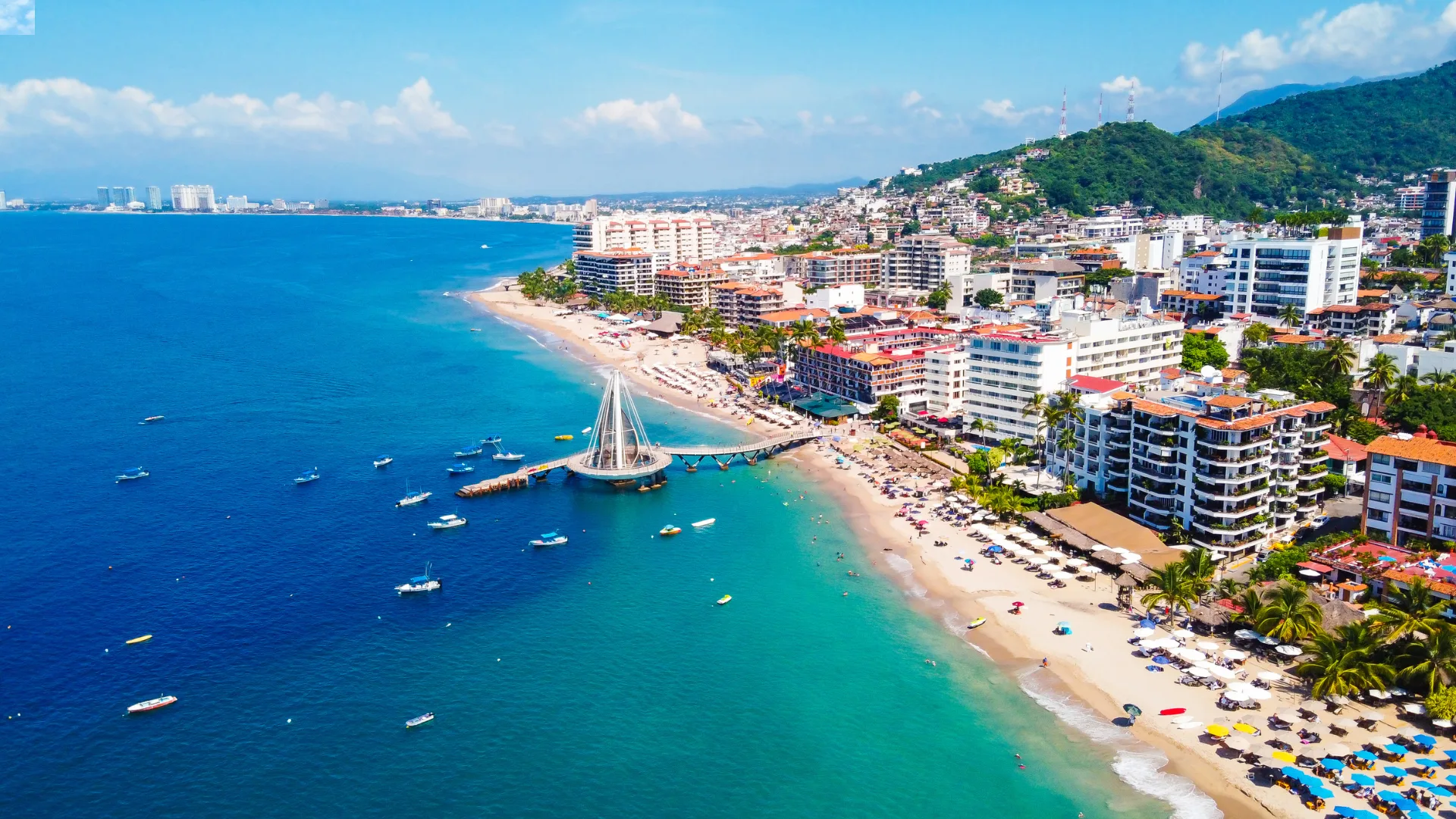
If you spend enough time in Puerto Vallarta, you’ll eventually hear several different explanations for how Zona Romántica—better know to many visitors as the Romantic Zone— got its name.
Some people credit Elizabeth Taylor and Richard Burton. Others point to the area’s vibrant LGBTQ+ community. Longtime residents sometimes tell stories about the neighborhood’s colorful past as a red-light district. The truth, however, is a little more nuanced.
What Is the Romantic Zone?
The Romantic Zone is not an official colonia. Rather, it is a tourism designation that encompasses three established neighborhoods: Emiliano Zapata, Alta Vista, and Amapas.
Today, it is one of Puerto Vallarta’s most walkable and recognizable areas, known for its cobblestone streets, independent restaurants, art galleries, boutique hotels, beach access, and vibrant nightlife. While many visitors refer to it as “Old Town”, the area represents a distinct section of the city south of the Cuale River.
Was It Named After Elizabeth Taylor and Richard Burton?
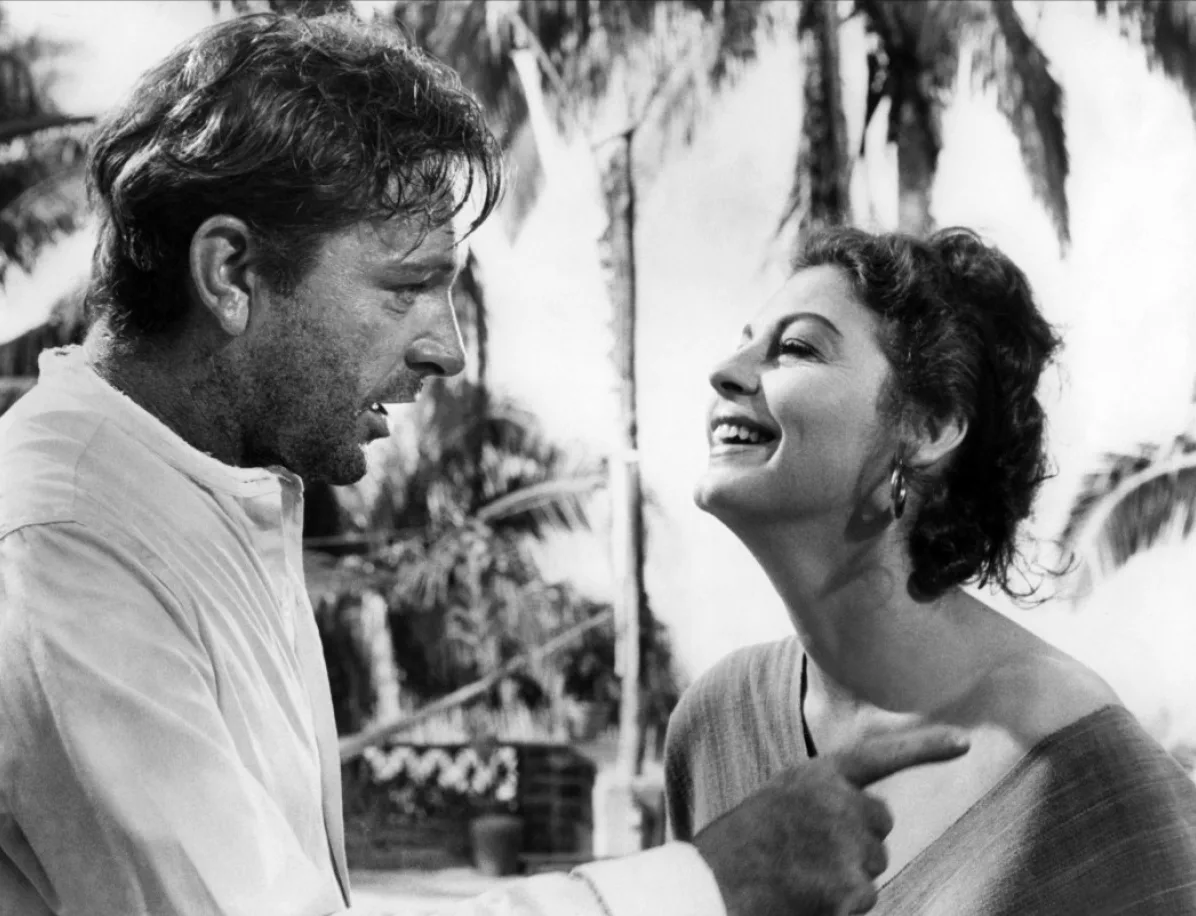
There is no historical evidence that the name “Zona Romántica” originated because of Elizabeth Taylor and Richard Burton’s famous love affair during the filming of The Night of the Iguana in the 1960s.
Their relationship certainly brought international attention to Puerto Vallarta. During a time when the city was still a relatively quiet coastal town, global media coverage transformed Puerto Vallarta into a destination known around the world.
However, the homes associated with Taylor and Burton were located in the Gringo Gulch and El Cerro areas, north of the Cuale River—not in what we now call the Romantic Zone.
While their story contributed to Puerto Vallarta’s romantic image, it does not appear to be the direct source of the neighborhood’s name.
The Most Likely Explanation
Historical evidence suggests that “Zona Romántica” emerged as a tourism and marketing term rather than an official geographic designation.
As tourism expanded during the latter decades of the twentieth century, local tourism promoters and city marketers began highlighting the neighborhood’s traditional charm. Unlike newer resort developments, the area retained narrow streets, colorful buildings, small plazas, local cafés, and a distinctly pedestrian-friendly atmosphere.
The phrase “Romantic Zone” helped capture that image for visitors seeking an authentic and intimate Puerto Vallarta experience.
In other words, the neighborhood became “romantic” because of its character—not because of a specific romantic event.
Fact vs. Folklore
One of the more interesting stories repeated by longtime residents is that portions of today’s Romantic Zone once functioned as Puerto Vallarta’s red-light district.
Many people who have lived in Puerto Vallarta for decades recall the area having a very different reputation before tourism redevelopment transformed it into one of the city’s most desirable neighborhoods.
However, despite the persistence of these stories, documented historical sources are surprisingly scarce. To date, there appears to be little published evidence that conclusively verifies the extent of such activity.
That doesn’t necessarily make the stories untrue. Rather, they fall into the category of local oral history—accounts passed down through personal experience rather than official records.
If true, the later adoption of the name “Zona Romántica” may have served as a more marketable and appealing description of a neighborhood undergoing reinvention.
The LGBTQ+ Influence
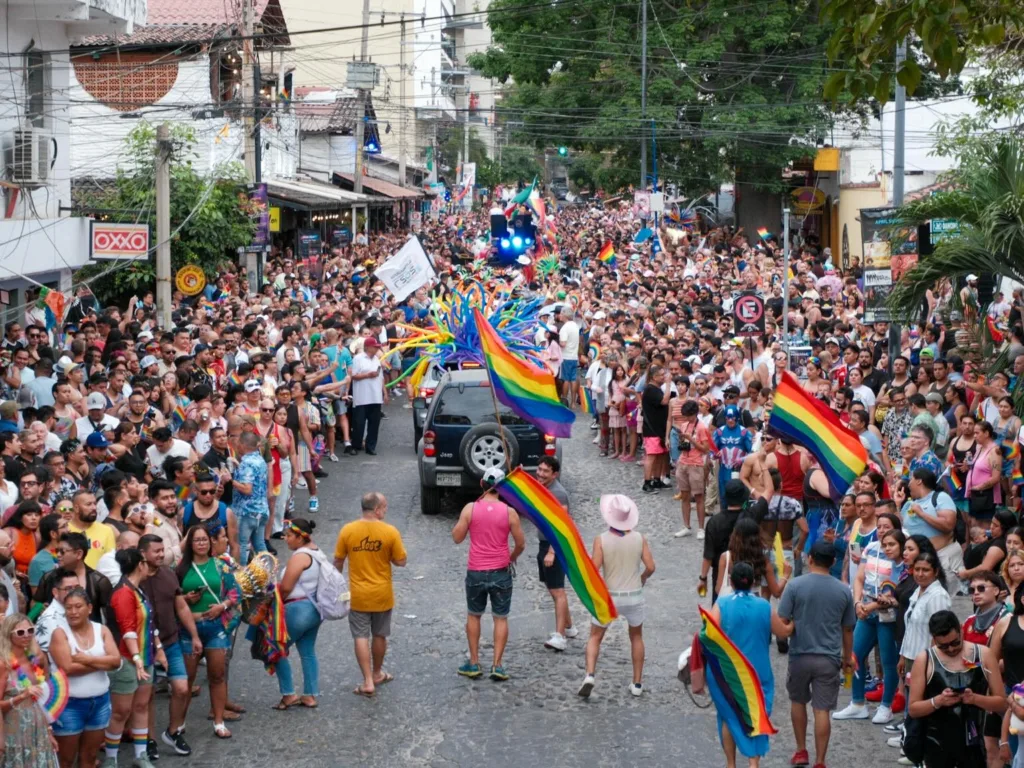
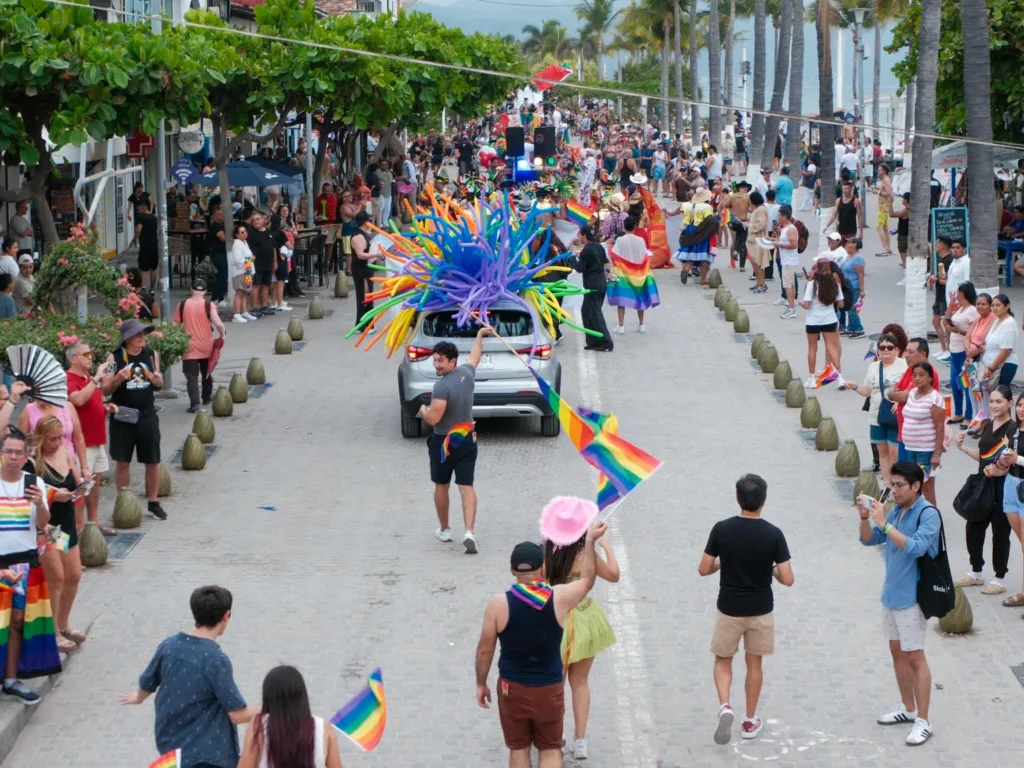
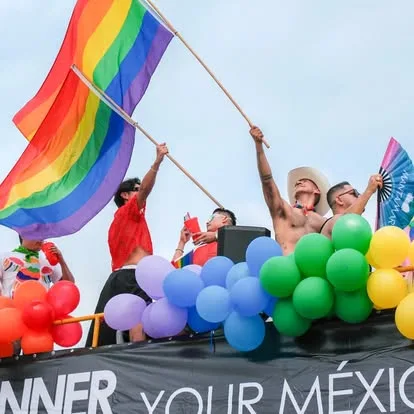
Another important chapter in the area’s history came during the late twentieth century when Puerto Vallarta became increasingly popular among LGBTQ+ travelers.
The Romantic Zone, particularly around Olas Altas and Playa de los Muertos, evolved into one of Mexico’s most welcoming LGBTQ+ destinations. Many local businesses, hotels, restaurants, and entertainment venues embraced this community, helping drive investment and revitalization throughout the district.
This evolution helped shape the neighborhood’s modern identity, although it occurred long after the area had already begun developing its reputation as a charming and distinctive part of the city.
Separating Myth from History
One challenge when researching Puerto Vallarta’s history is that popular travel articles often repeat information without verifying it.
For example, some articles reference landmarks located elsewhere in the city as part of the Romantic Zone’s history. The iconic Parish of Our Lady of Guadalupe is undoubtedly one of Puerto Vallarta’s most important landmarks, but it is located in Centro—not in the Romantic Zone.
Understanding the Romantic Zone requires looking at the history of the neighborhoods that actually make up the district: Emiliano Zapata, Alta Vista, and Amapas.
Final Thoughts
The true story of Puerto Vallarta’s Romantic Zone is less about a single event and more about transformation.
What began as a collection of traditional neighborhoods evolved alongside the growth of tourism, the influence of Hollywood attention, the arrival of international visitors, and the contributions of the LGBTQ+ community.
Whether the name originated as a marketing campaign, a reflection of the area’s atmosphere, or even a subtle rebranding of an older reputation, one thing is certain: Zona Romántica has become one of the most beloved and recognizable neighborhoods in Puerto Vallarta.
And perhaps that’s fitting. Sometimes the most interesting part of a place’s history isn’t the legend itself—it’s discovering how the legend was created.