

Selling a property in Mexico involves more than agreeing on a sale price. One of the most important things sellers should understand before putting their property on the market is ISR (Impuesto Sobre la Renta), Mexico’s federal income tax.
Knowing how ISR works before selling can help you understand your potential tax liability and avoid surprises at closing.
What Is ISR and When Does It Apply?
ISR may apply when you sell a property for more than its original value. The tax is generally based on the gain from the sale, taking into account the original purchase price, inflation adjustments, and certain allowable expenses.
The tax is calculated as part of the closing process.
Who Pays ISR?
The seller is responsible for the ISR generated by the sale.
The buyer has separate tax obligations, such as the acquisition tax (ISAI, depending on the state), but the ISR related to the seller’s gain is the seller’s responsibility.

How does the Notary Calculate the ISR?
By law, the Notary Public acts as a withholding agent for the Mexican tax authority (SAT) and calculates the ISR with this formula:
- Determine the Gross Income: The final sale price of the property.
- Calculate the Adjusted Cost Basis: The original purchase price, adjusted for inflation based on the years the property has been owned.
- Subtract Allowable Deductions: The adjusted cost basis and eligible, properly documented expenses are deducted from the sale price to determine the Taxable Profit.
- Apply the Tax Rate: The applicable federal tax rate is applied to the taxable profit.
Can You Qualify for a Primary Residence Exemption?
In certain cases, sellers may qualify for an ISR exemption when selling their primary residence (casa habitación).
There is a maximum exemption limit expressed in UDIs, and specific requirements must be met. You may need to provide documents such as:
- An official ID showing the property address.
- Bank statements in your name at that address.
- Utility bills, such as CFE, showing your name and address.
The exemption can generally only be used once every three years, subject to the applicable requirements.
What If You Are a Foreign Property Owner?
For foreigners, tax residency is important. Having a Temporary or Permanent Resident card does not automatically mean that you are a Mexican tax resident.
Depending on your tax status, different ISR rules may apply.
A non-resident may generally choose between:
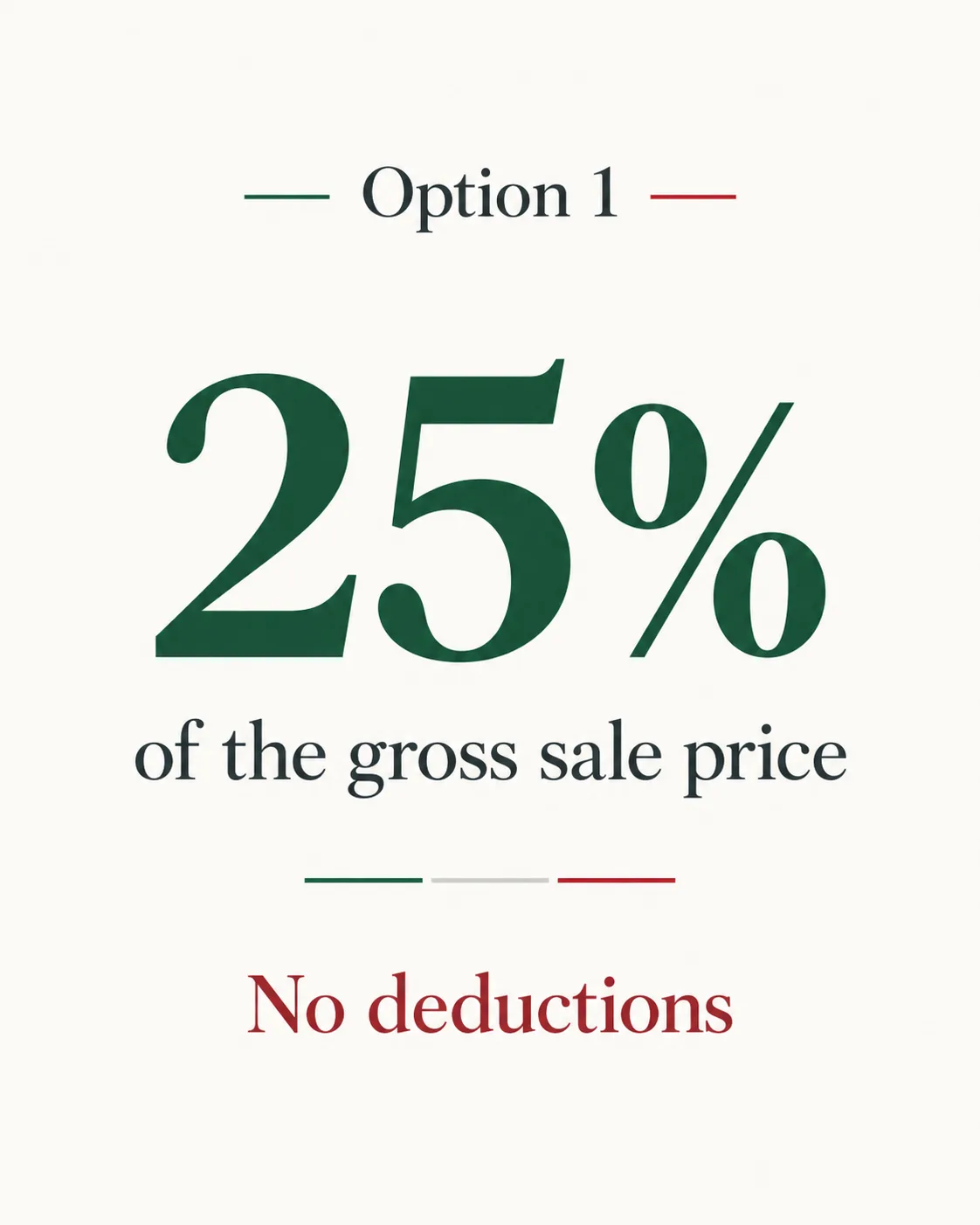
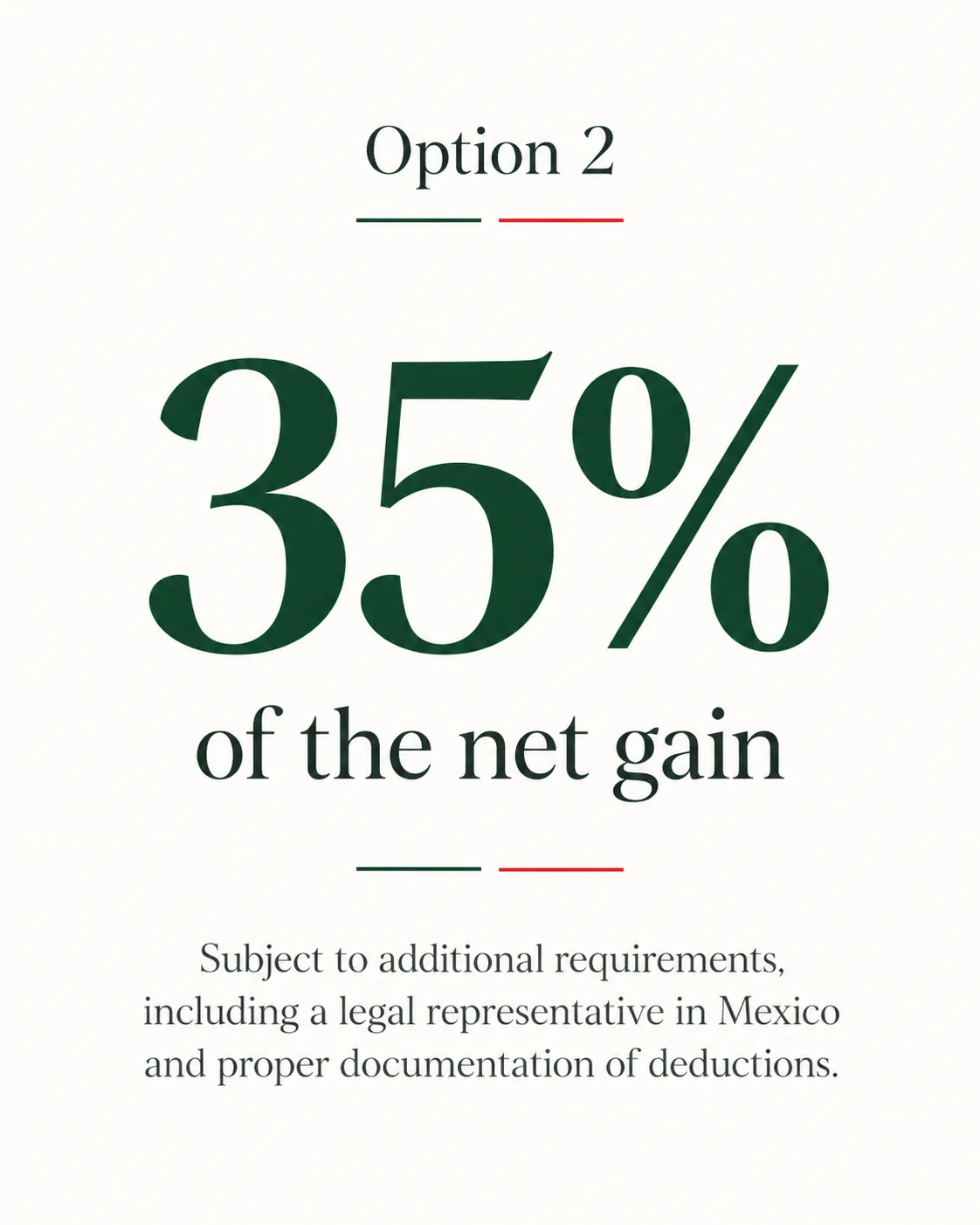
Because the rules depend on each seller’s circumstances, it is important to review your tax status before selling.
What Documents Can Help Reduce Your ISR?
Certain expenses may help reduce the gain subject to ISR, but they must be properly documented. In most cases, you will need to provide the Notary with CFDIs (Electronic Tax Invoices) that meet Mexican tax requirements.
Depending on your situation, these may include:
- Original Deed: Showing the original purchase price and acquisition date.
- Construction & Improvements: Renovations, additions, or other improvements may be considered if you have the proper CFDIs for the materials and labor. Cash payments without official SAT invoices cannot be deducted.
- Closing Costs: Certain Notary fees and acquisition taxes (ISAI) paid when you purchased the property may be considered, provided you have the corresponding CFDIs from the original closing.
- Real Estate Commissions: The fee paid to your real estate broker may be considered if the broker provides a formal CFDI.
The key is to keep proper documentation for the expenses you want the Notary to consider when calculating your ISR.
Common Mistakes Sellers Make
1. Setting a sale price without calculating ISR first
The amount you receive after taxes may be significantly lower than the sale price.
2. Not keeping invoices
Without the proper CFDIs, certain improvements and expenses may not be deductible.
3. Assuming immigration status equals tax residency
Having a Mexican visa or residency card does not automatically make you a Mexican tax resident.
Notary Recommendations Before Selling
Before putting your property on the market, we recommend:
1. Request a preliminary ISR calculation.
This can help you understand your potential tax liability and expected net proceeds before accepting an offer.
2. Organize your documents.
Gather your original deed, purchase documents, Notary invoices, acquisition tax records, CFDIs for improvements, and other relevant documentation.
3. Review your address documentation.
If you plan to claim the primary residence exemption, make sure your identification and supporting documents correspond to the property’s address.
Written by